Revealing the truth about Dental Bone Grafts
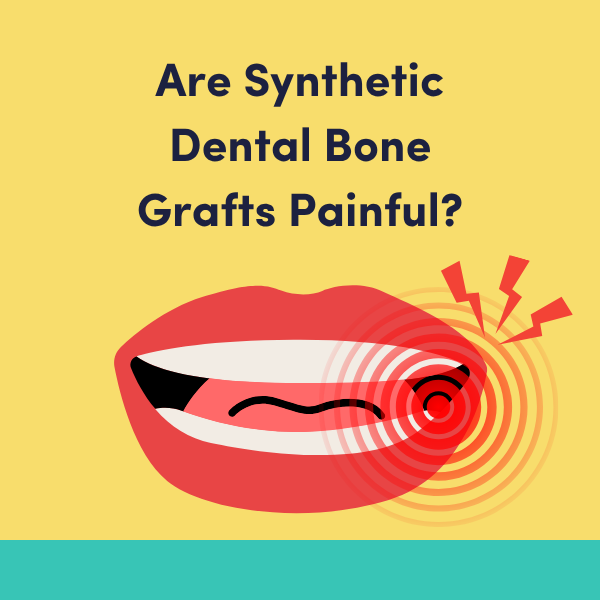
It's a very common question: Are dental bone grafts painful? If your dental implant requires a bone graft, especially one using synthetic materials (Alloplast), you're likely concerned about the discomfort involved. The good news is that while some soreness and tenderness are expected, synthetic dental bone grafts are generally associated with less pain than some other types of grafts.
Here’s why synthetic grafts minimise discomfort and what you can expect during the recovery.
The Procedure: Pain Management is Priority
Regardless of the material used, the bone graft procedure itself is not painful.
- Anaesthesia: Your dentist will use local anaesthesia to completely numb the area before the surgery begins. This ensures that you only feel pressure and movement, but no sharp pain during the placement of the synthetic graft material.
- Sedation: For patients who feel highly anxious, sedation options are available to keep you completely relaxed or asleep, ensuring a stress-free experience.
The use of synthetic bone graft materials doesn't change the level of pain during the surgery - it changes the healing process.
Why Synthetic Grafts Reduce Pain
The primary advantage of synthetic (Alloplast) bone graft materials when it comes to managing dental bone grafts painful recovery is the elimination of a secondary surgical site.
- No Donor Site Morbidity: The most common source of significant post-operative pain for a bone graft is the area where the bone is harvested (the "donor site") - this is necessary for an Autograft (using your own bone). Since synthetic grafts are lab-made, they are simply placed directly into the jaw defect. By avoiding a second surgical wound, synthetic bone grafts dramatically reduce overall surgical pain and recovery time.
- Reduced Swelling and Bruising: Since the synthetic material is highly biocompatible and is placed without disrupting a second area of the body, post-operative swelling and bruising tend to be localized and manageable compared to two-site procedures.
Expected Post-Graft Discomfort
While the worst source of pain is avoided, you will experience some soreness as your body begins the healing process:
Symptom | Management | Duration |
Soreness/Aching | Managed easily with over-the-counter pain relievers (like ibuprofen). | Typically peaks within the first 24 hours. |
Swelling | Use a cold compress on your cheek in short intervals. | Should begin to subside after Day 3. |
Tenderness | Stick to a soft diet for the first week (e.g., yogurt, soup, mashed potatoes). | Should resolve within 7 to 10 days. |
[i]
In summary, if you require a graft, a synthetic material is one of the least invasive options, minimising the answer to "are dental bone grafts painful?" by eliminating the need to harvest bone from another part of your body.
Want to learn more? Look into our other post the everything you need to know about bone grafts.